VIP Peptides · Research Compound
KPV Research Profile
KPV (Lys-Pro-Val) is a synthetic tripeptide corresponding to the
C-terminal fragment of alpha-melanocyte-stimulating hormone (α-MSH).
Research has primarily examined its anti-inflammatory pathways in
laboratory and animal models.
Lysine, proline and valine
C-terminal sequence
Product-label quantity
Not for consumption
Product Information
About KPV
KPV is a synthetic tripeptide composed of lysine, proline and
valine. It corresponds to the C-terminal fragment of α-MSH and
has been investigated for biological activity related to
inflammatory signaling.
Unlike full-length α-MSH, KPV is studied for anti-inflammatory
activity without the same proposed pigmentation pathway. However,
human exposure and safety data are lacking, so effects in people
are not established.
This profile covers the 10 mg product version. Confirm product
identity and quantity against its label and matching batch
documentation.
Product Specifications
| Product | KPV |
|---|---|
| Sequence | Lys-Pro-Val |
| Peptide length | 3 amino acids |
| Related peptide | C-terminal fragment of α-MSH |
| Product quantity | 10 mg, as stated on product label |
| Research focus | Inflammatory signaling pathways |
| Use classification | Research use only |
Research Areas
What Research Has Examined
Inflammatory Signaling
Cell and animal studies have examined KPV in relation to NF-κB
signaling and inflammatory mediators. These findings do not
establish treatment effects or clinical benefits in people.
Intestinal Inflammation Models
Research has examined PepT1-mediated KPV uptake in intestinal
cells and experimental mouse colitis models. This does not show
that oral KPV is an established or effective treatment for
gastrointestinal conditions in humans.
Skin & Epithelial Research
Early research has explored KPV in skin, epithelial and wound
models. Topical and systemic uses remain investigational, and
evidence from one route cannot establish results for another.
Evidence Overview
Preclinical Findings and Limits
Most KPV research is based on cell and animal models. Findings
involving inflammatory pathways or experimental colitis do not
establish safety or effectiveness for specific conditions in people.
Oral uptake, topical effects and systemic effects involve different
routes and research settings. Evidence for one route should not be
treated as proof for another.
Safety & Regulatory Status
Human Safety Data Are Lacking
KPV is not FDA-approved for any indication. FDA reports that it has
not identified human exposure data for drug products containing KPV
by any route. Potential safety risks in humans are therefore unknown.
Research-grade products are not approved medicines. Product identity,
purity and quality can vary between suppliers. A batch report, if
available, should match the specific product batch and does not by
itself establish that a product is safe for human use.
KPV has been studied as a fragment of α-MSH and is not expected to
produce the same pigmentation activity as full α-MSH in the studied
models. Human effects have not been established.
consumption, injection, clinical use, diagnosis, treatment, cure,
mitigation or prevention of disease.

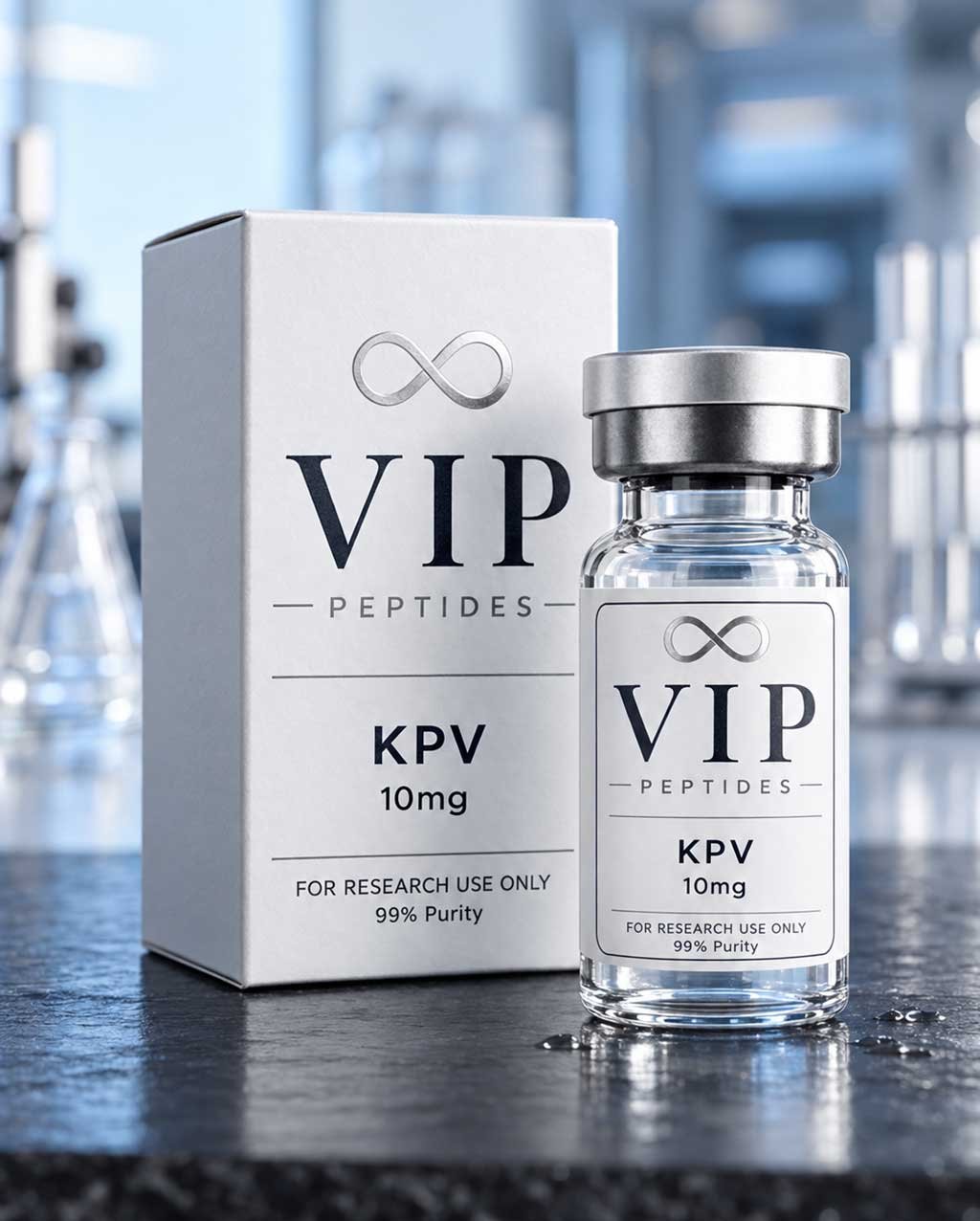
![KPV (Lysine-Proline-Valine) [10mg]](https://vipresearchpeptides.com/wp-content/uploads/2026/10/kpv.jpg)
![TB500 Thymosin B4 [10mg]](https://vipresearchpeptides.com/wp-content/uploads/2026/10/thy-300x300.jpg)
![BPC-157 [10mg]](https://vipresearchpeptides.com/wp-content/uploads/2026/10/bpc-300x300.jpg)

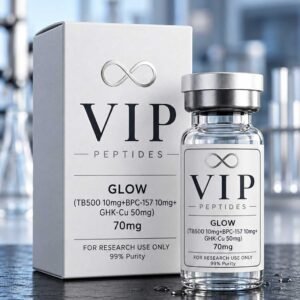
![GLOW [70mg] (GHK-Cu | BPC-157 | TB-500)](https://vipresearchpeptides.com/wp-content/uploads/2026/10/glo-300x300.jpg)
Reviews
There are no reviews yet.