VIP Peptides · Research Blend
BPC-157 + TB-500 Research Profile
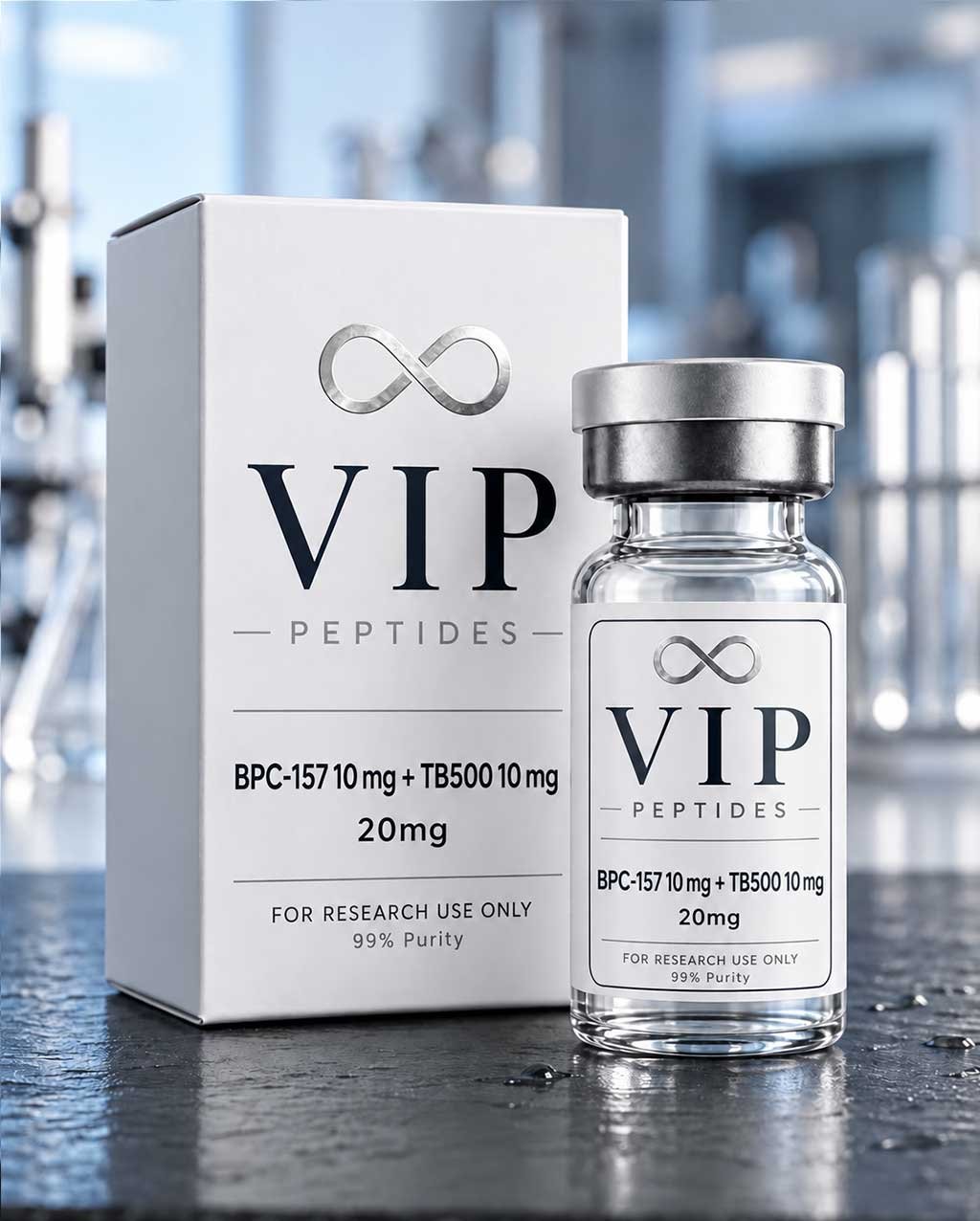
This 20 mg research blend is described as containing 10 mg of
BPC-157 and 10 mg of TB-500. Research has examined the ingredients
individually, mainly in preclinical settings. Human clinical evidence
for the specific blend is lacking.
BPC-157 and TB-500
Verify amounts on product label
As described for this blend
Not for consumption
Product Information
About the Blend
BPC-157 + TB-500 is a two-peptide research blend. The described
formulation contains 10 mg of BPC-157 and 10 mg of TB-500 in one
vial. Confirm the exact identity and quantity of each component
against the product label and matching batch documentation.
BPC-157 is a synthetic peptide studied mainly in preclinical
research involving tissue, vascular and gastrointestinal
pathways. TB-500 is commonly used as a name for a synthetic
thymosin beta-4 fragment; it is not the full-length thymosin
beta-4 peptide.
The proposed rationale for combining them is based on research
into the individual ingredients. It does not establish that the
blend produces synergistic effects or improves healing in people.
Product Specifications
| Product | BPC-157 + TB-500 |
|---|---|
| Total quantity | 20 mg, as stated for this blend |
| BPC-157 quantity | 10 mg, verify product label |
| TB-500 quantity | 10 mg, verify product label |
| TB-500 identity | Common name for a thymosin beta-4 fragment |
| Blend-specific evidence | Human clinical evidence is lacking |
| Use classification | Research use only |
Research Areas
What Research Has Examined
BPC-157 Research
Preclinical studies have examined BPC-157 in tendon, muscle and
gastrointestinal injury models, including pathways related to
vascular signaling and tissue repair. These findings do not
establish human treatment benefits.
TB-500 Research
Thymosin beta-4-related research has examined actin regulation,
cell movement and tissue pathways. Evidence for the TB-500
fragment itself is limited; FDA has not identified human exposure
data for drug products containing this fragment.
Combination Evidence
The combination is discussed for complementary tissue-related
pathways, but this proposed rationale is not proof of synergy.
Controlled human trials establishing the safety or effectiveness
of this specific 20 mg blend are lacking.
Evidence Overview
Individual Findings Do Not Prove Blend Effects
Most supporting research comes from cell and animal studies of the
individual ingredients. Research on BPC-157 cannot establish the
effects of TB-500, and vice versa.
There is no established clinical dose or validated treatment
protocol for this combination. Results from preclinical research
should not be presented as proven outcomes for the blend.
Safety & Regulatory Status
Important Product Limitations
Neither BPC-157 nor TB-500 is FDA-approved for the uses commonly
discussed in research or wellness settings. FDA has described
limited safety information and potential immunogenicity concerns
for these peptides, including concerns related to aggregation and
peptide-related impurities in injectable products.
Product identity, purity, sterility and exact composition can vary.
A certificate of analysis, if available, should match the specific
batch; it does not by itself establish that the blend is safe or
suitable for human use.
BPC-157 and TB-500 are included in WADA’s 2026 Prohibited List.
Athletes should check the current rules that apply to their sport
and organization.
consumption, injection, clinical use, diagnosis, treatment, cure,
mitigation or prevention of disease.

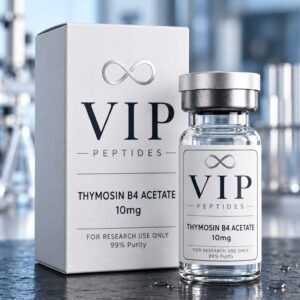
![TB500 Thymosin B4 [10mg]](https://vipresearchpeptides.com/wp-content/uploads/2026/10/thy-300x300.jpg)
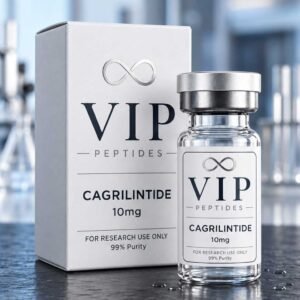
![Cagrilintide [10mg]](https://vipresearchpeptides.com/wp-content/uploads/2026/10/cagrilitinde-300x300.jpg)
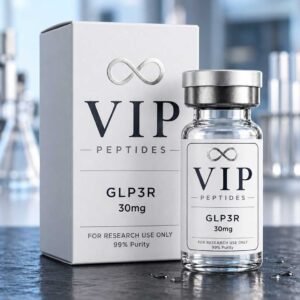
![GLP3R [30mg]](https://vipresearchpeptides.com/wp-content/uploads/2026/10/glp-300x300.jpg)

Reviews
There are no reviews yet.